


Here are some of the top choices:
If you want to build your own private, secure live camera server today, the options are more powerful, flexible, and easier to use than ever. The open-source community and DIY hardware projects have made it possible to build a system that rivals expensive commercial NVRs (Network Video Recorders).
The process of getting a live feed from a camera to your screen involves several technical steps: Step A: Capture and Encoding
An older format where each frame is captured as a separate JPEG image. While it demands massive bandwidth, it requires very little processing power and offers high frame-by-frame clarity. 2. Networking Protocols: Transporting the Feed
In conclusion, live NetSnap cam server feeds can work well if set up correctly and with the right technical requirements. However, it's essential to be aware of the potential challenges and limitations, such as latency, video quality, and security concerns. By understanding these factors and taking steps to mitigate them, users can successfully stream high-quality live video content to a global audience.
Modern adaptations use streaming protocols like Real-Time Streaming Protocol (RTSP) or HTTP Live Streaming (HLS) to send a continuous data packet stream to a media server rather than static file overwrites. Step 4: Server Hosting and Page Refreshing
: Connect the camera to your router using an Ethernet cable. Using a PoE (Power over Ethernet) injector is recommended to provide both power and data through a single cable.
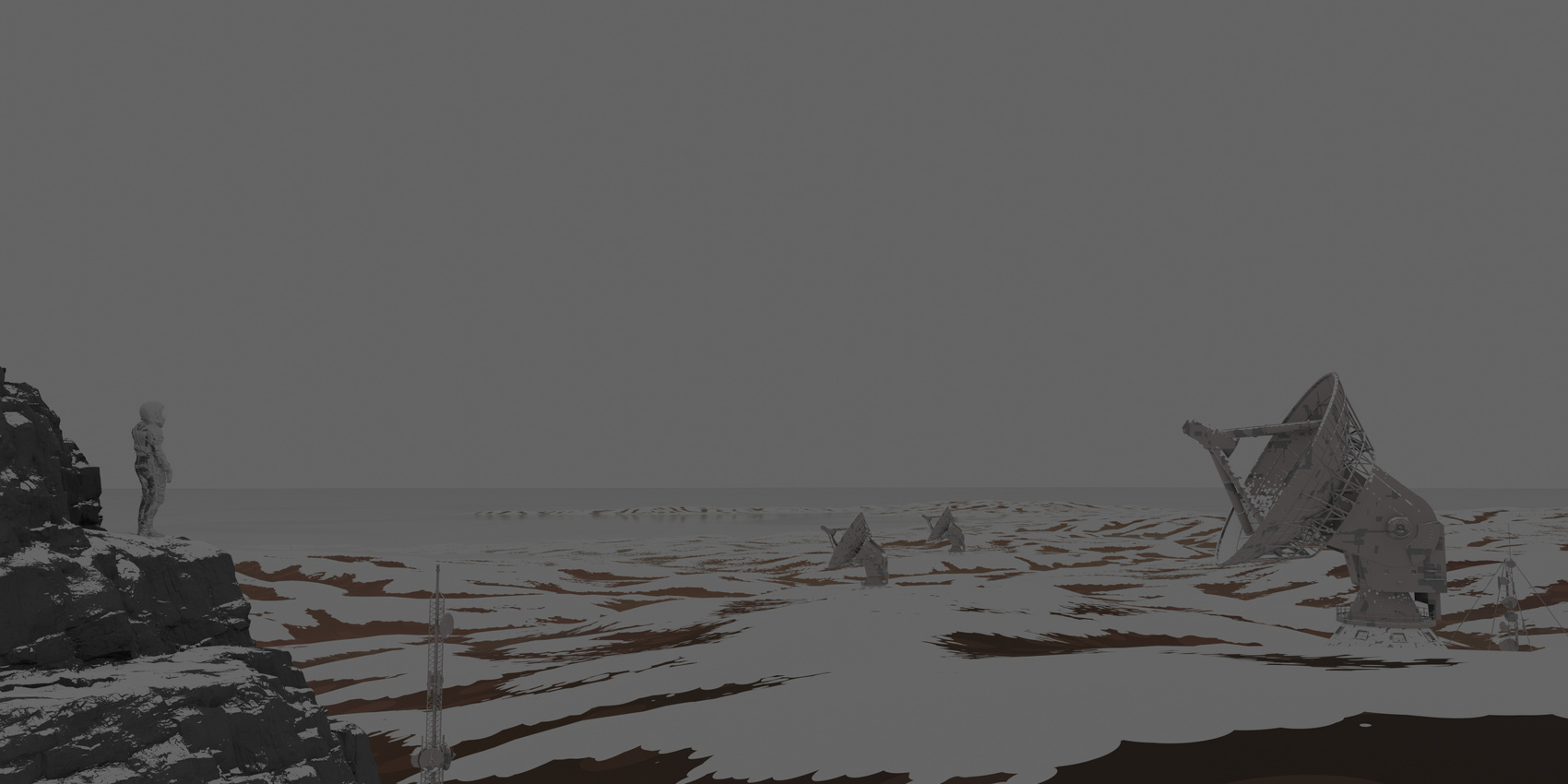
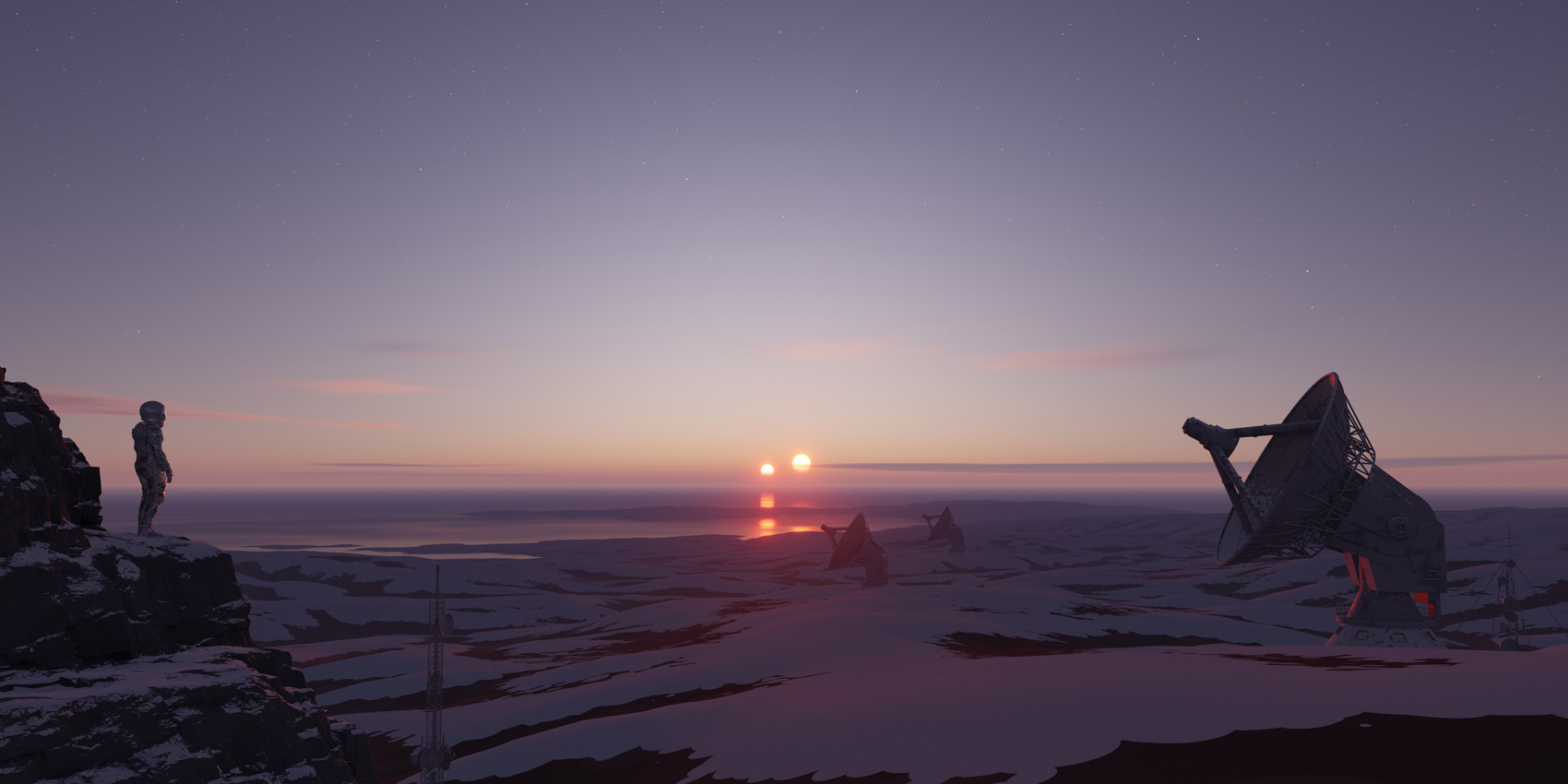
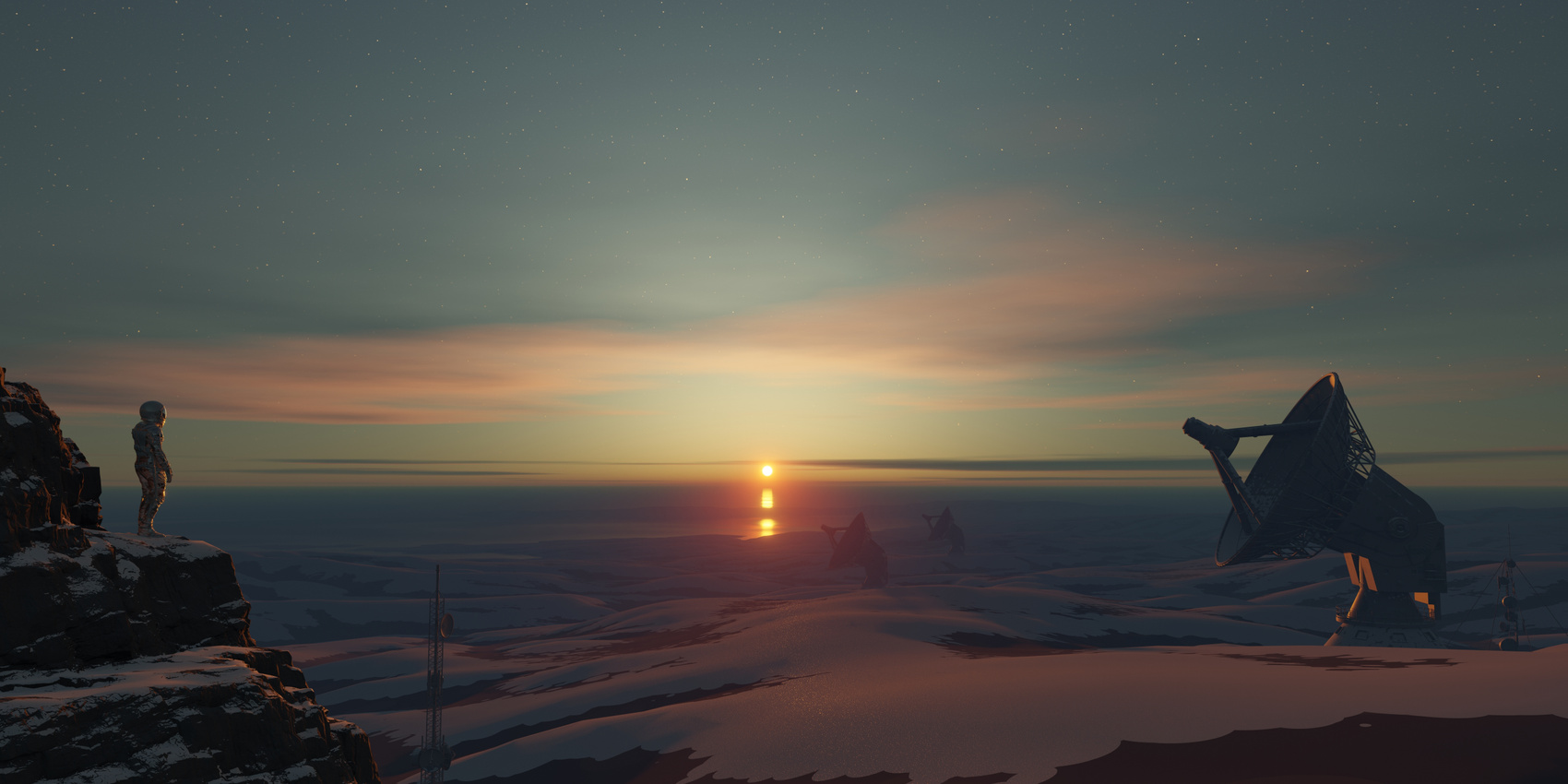
This addon saves hours that usually are invested in manually creating sky, atmosphere and placing sun object and stars, and automates it within a single click.
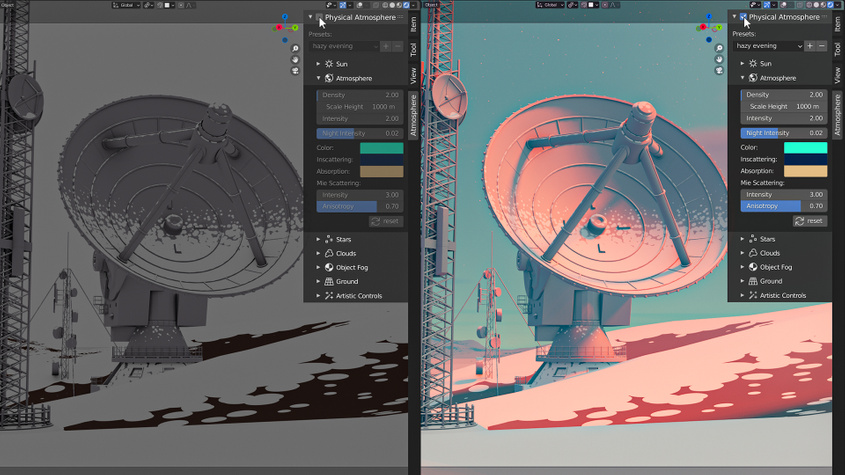
We have more than a decade of experience with atmosphere rendering techniques in computer graphics industry. Physical Starlight and Atmosphere addon is used in entertainment, film, automotive, aerospace and architectural visualisation industries.
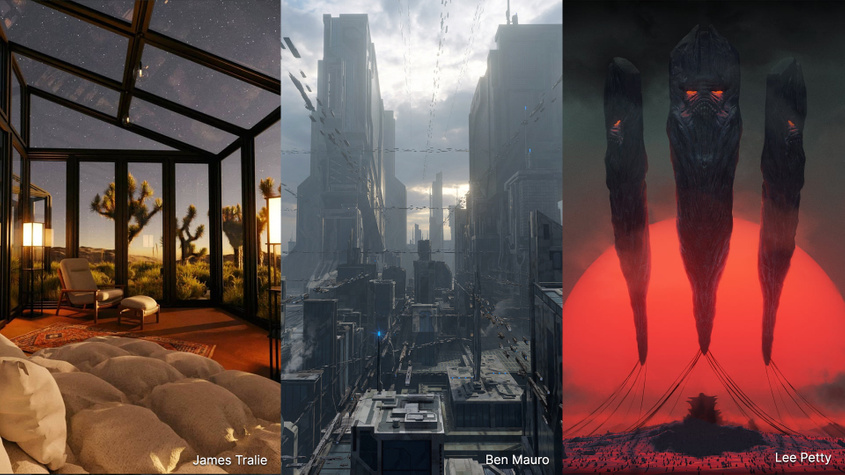
Presets allow to store a snapshot of your customized atmosphere settings and return to it later or use already predefined presets provided by the addon.
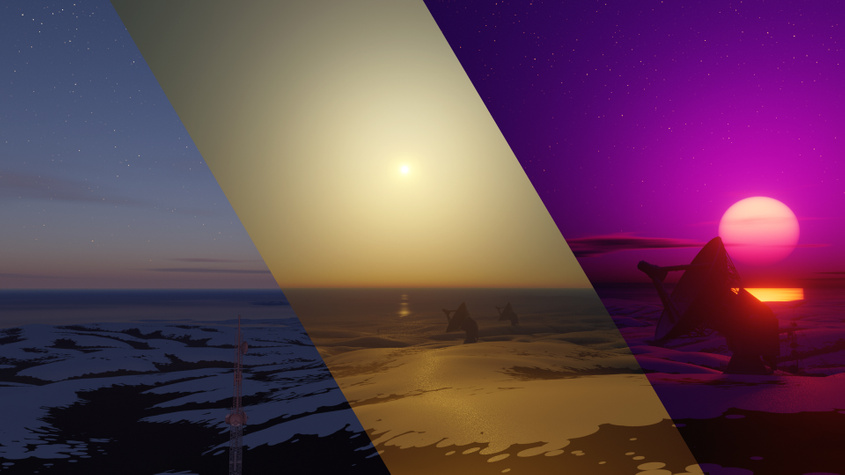
We use a procedural method of calculating the atmosphere based on many tweakable parameters, so that sky color is not limited only to the Earth's atmosphere.
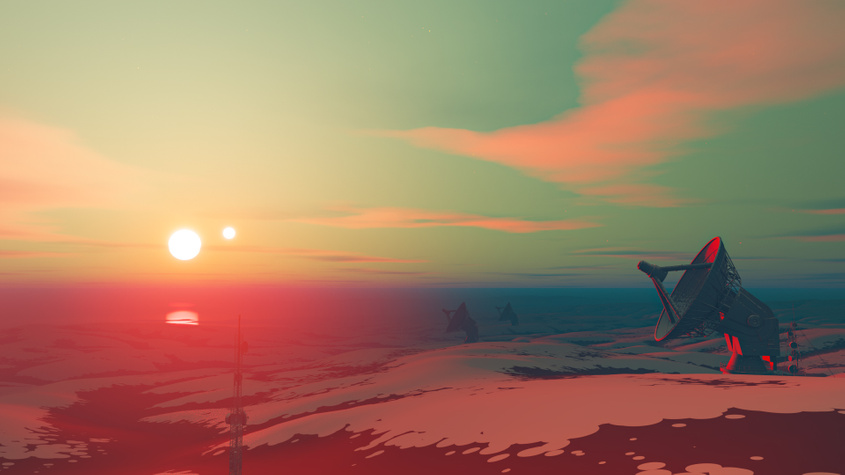
Works well in combination with Blender Sun Position addon. You can simulate any weather at any time.
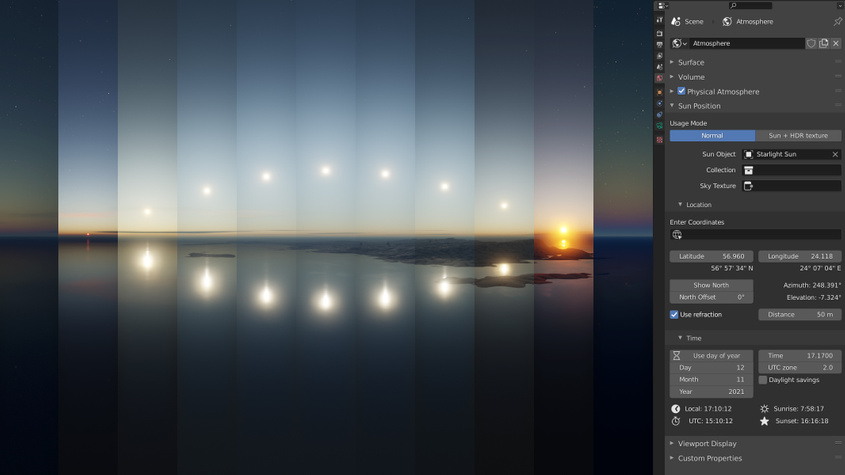

"Physical Starlight and Atmosphere has been an invaluable tool for me in my personal/professional work and a huge missing link for lighting in Blender. It still feels like magic every time I use it, I can't recommend it highly enough!"

"Physical Starlight and Atmosphere has been an essential add-on for all of my environmental design projects. It gives me such incredibly flexibility and control over the look and feel of my renders. Lighting is key for any project, and this add-on always gives my work that extra edge."

"As a lighting artist, focusing on the overall mood of an image is super important. Physical Starlight and Atmosphere is based on reality, so I can spend all of my time iterating on the look without worrying about how to achieve it. "

"I love the tool. It has been my go-to since I picked it up a couple of months ago."

"My work life has become super easier since I started using Physical Starlight and Atmosphere, it cut down a lot of technical headache associated with setting up a believable lighting condition and gave me more time to concentrate on the creative part of my design process."
Here are some of the top choices:
If you want to build your own private, secure live camera server today, the options are more powerful, flexible, and easier to use than ever. The open-source community and DIY hardware projects have made it possible to build a system that rivals expensive commercial NVRs (Network Video Recorders).
The process of getting a live feed from a camera to your screen involves several technical steps: Step A: Capture and Encoding
An older format where each frame is captured as a separate JPEG image. While it demands massive bandwidth, it requires very little processing power and offers high frame-by-frame clarity. 2. Networking Protocols: Transporting the Feed
In conclusion, live NetSnap cam server feeds can work well if set up correctly and with the right technical requirements. However, it's essential to be aware of the potential challenges and limitations, such as latency, video quality, and security concerns. By understanding these factors and taking steps to mitigate them, users can successfully stream high-quality live video content to a global audience.
Modern adaptations use streaming protocols like Real-Time Streaming Protocol (RTSP) or HTTP Live Streaming (HLS) to send a continuous data packet stream to a media server rather than static file overwrites. Step 4: Server Hosting and Page Refreshing
: Connect the camera to your router using an Ethernet cable. Using a PoE (Power over Ethernet) injector is recommended to provide both power and data through a single cable.