Lotto Craft
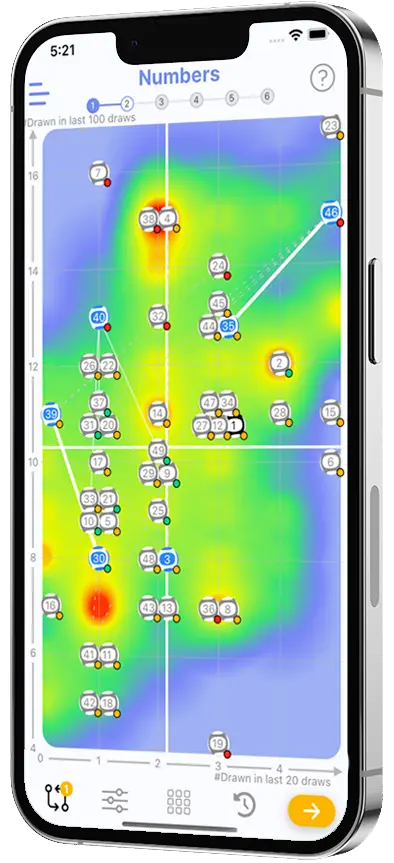




























Choosing lottery numbers is no longer limited to random guessing. Today, AI and data analysis can help players make smarter picks. By studying historical draw data, AI can identify patterns, such as frequently drawn numbers (hot numbers), numbers that rarely appear (cold numbers), and combinations that might be overdue
AI algorithms process thousands of past results to highlight number sets with better statistical potential. Instead of relying on pure luck, you can now use pattern recognition and probability models to select numbers based on data-backed trends.
To make this easier, Lotto Craft provides visual dashboards, charts, and insights, helping users navigate through complex statistics and patterns. With clear visuals and intuitive analytics, you can quickly spot trends and choose numbers with more strategy and confidence. While no system can guarantee a win, combining AI insights with lottery data brings a smarter approach to playing.
Platforms now prioritize "relevance" over "quality," meaning a specific keyword can trigger a massive wave of visibility for a piece of content regardless of its production value.
The structure of the phrase highlights several key mechanics of internet content consumption: mydaughtershotfriend 24 04 16 daisy lavoy xxx 7 2021
on whether this was a news story, a specific video, or a movie you saw? Common Ground Film: Home They are also used by content management systems
Such conventions allow users to sort and identify files without needing to open them. They are also used by content management systems to generate automatic metadata tags. The endurance of long-form adult franchises over decades
As we continue to navigate the ever-changing landscape of popular media, it is essential to critically evaluate the impact of trends like "My Daughter's Hot Friend" on our culture and society. By doing so, we can promote a more nuanced understanding of the complex relationships between media, culture, and identity.
The endurance of long-form adult franchises over decades is largely a technical achievement in content delivery systems and metadata indexing.
The sequence “24 04 16” almost certainly represents a date. Given the international prevalence of the day-month-year date format, it most logically translates to . This date would function as either a production date, an upload date, or a copyright year for the associated media file. April 24, 2016, falls within a period when many digital content platforms were expanding their libraries, making it plausible as a metadata timestamp.

Pick the winning numbers with precision and ease with AI technology, advanced statistics and mapping visuals. Learn more

Play fewer tickets while still having a better chance of winning. Learn more

Identify tickets that have the highest chances of winning through the evaluation system. Learn more
Platforms now prioritize "relevance" over "quality," meaning a specific keyword can trigger a massive wave of visibility for a piece of content regardless of its production value.
The structure of the phrase highlights several key mechanics of internet content consumption:
on whether this was a news story, a specific video, or a movie you saw? Common Ground Film: Home
Such conventions allow users to sort and identify files without needing to open them. They are also used by content management systems to generate automatic metadata tags.
As we continue to navigate the ever-changing landscape of popular media, it is essential to critically evaluate the impact of trends like "My Daughter's Hot Friend" on our culture and society. By doing so, we can promote a more nuanced understanding of the complex relationships between media, culture, and identity.
The endurance of long-form adult franchises over decades is largely a technical achievement in content delivery systems and metadata indexing.
The sequence “24 04 16” almost certainly represents a date. Given the international prevalence of the day-month-year date format, it most logically translates to . This date would function as either a production date, an upload date, or a copyright year for the associated media file. April 24, 2016, falls within a period when many digital content platforms were expanding their libraries, making it plausible as a metadata timestamp.