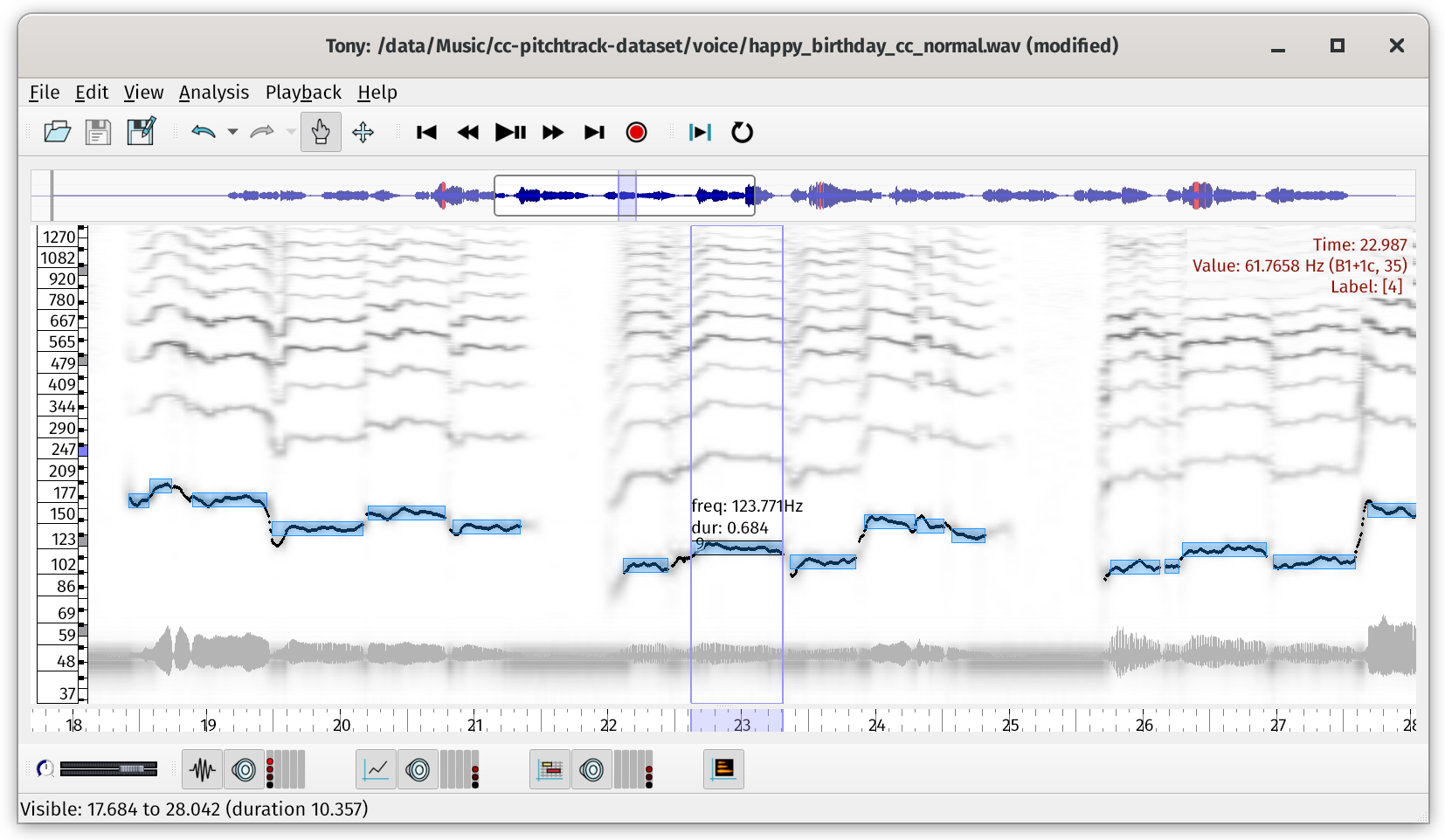
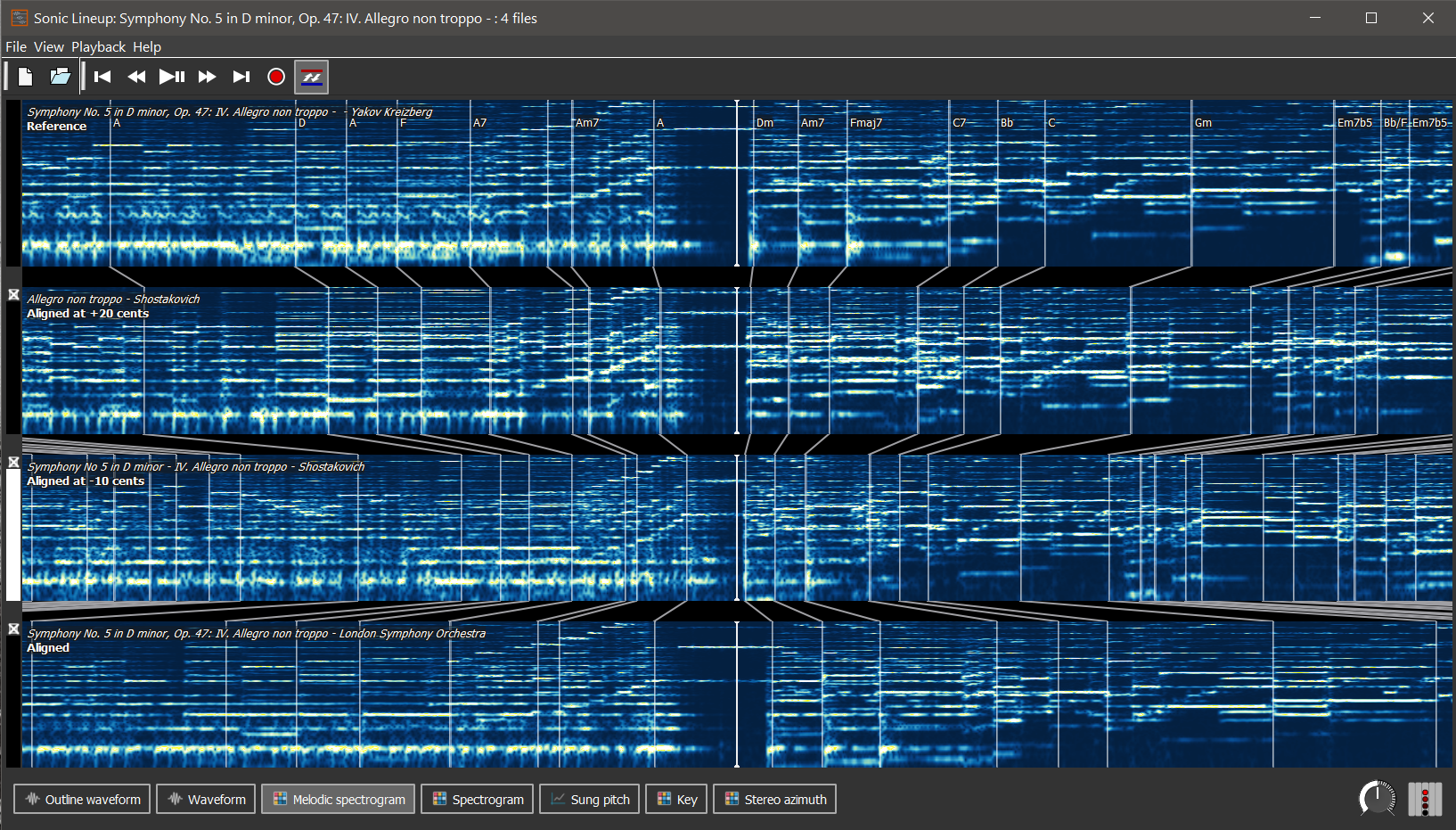
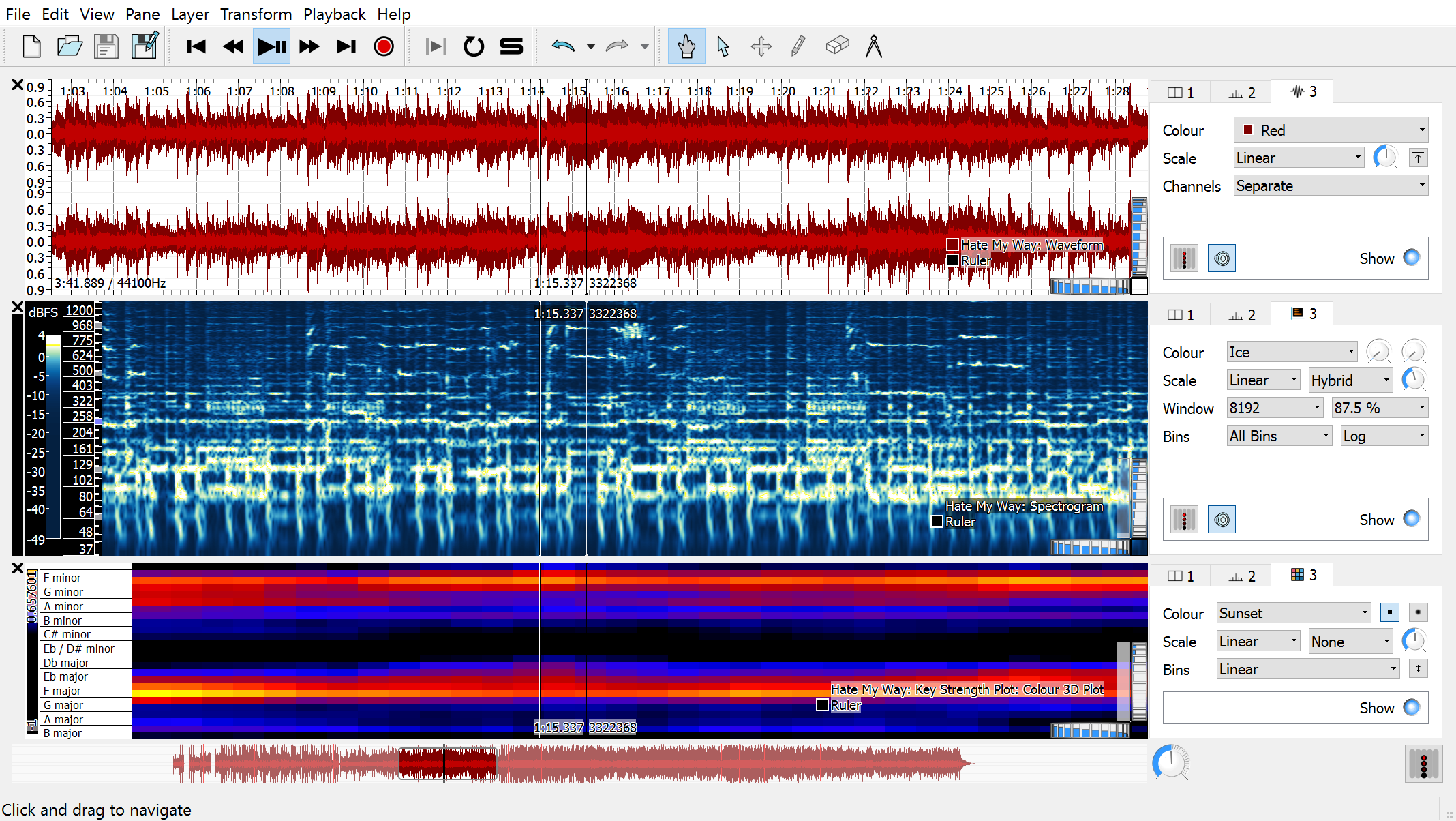
Sonic Visualiser is a free, open-source application for Windows, Linux, and Mac, designed to be the first program you reach for when want to study a music recording closely. It's designed for musicologists, archivists, signal-processing researchers, and anyone else looking for a friendly way to look at what lies inside the audio file.
Sonic Visualiser version 5.2.1 was released on 21 March 2025. Download it here!
Sonic Visualiser is one of a family of four applications:
Citations: If you are using Sonic Visualiser in research work for publication, please cite (pdf | bib) Chris Cannam, Christian Landone, and Mark Sandler, Sonic Visualiser: An Open Source Application for Viewing, Analysing, and Annotating Music Audio Files, in Proceedings of the ACM Multimedia 2010 International Conference.
Connects to a C2 (command-and-control) server on port 443 with a fake SSL certificate. Exfiltrates:
Unlike online driver scanners that require an active internet connection, this software functions as a standalone driver package. You can download the entire pack (which is often over 800 MB in size) onto a USB drive once, and then use it on any number of offline machines to resolve driver issues. It is built to rely on recognition, a method that scans the unique IDs of your computer’s components to match them against a vast internal database. This ensures that the correct version of a driver is installed, increasing accuracy and preventing the conflicts that sometimes arise from using a generic "catch-all" driver. easy.driver.packs.v5.2.5.5.win7.32-49
By downloading and installing Easy Driver Packs v5.2.5.5, you can take the first step towards optimizing your Windows 7 32-bit system and ensuring that your hardware components are running at their best. Connects to a C2 (command-and-control) server on port
This public link is valid for 7 days and shares a thread, including any personal information you added. This link or copies made by others cannot be deleted. If you share with third parties, their policies apply. Can’t copy the link right now. Try again later. It is built to rely on recognition, a
Are you getting an inside Windows Device Manager?
Once executed, the program scans your system, identifies what drivers are missing or outdated, and presents a straightforward interface for installation. Users who recall the software from its heyday praised its one-click approach to driver management.
The foundation of system stability relies on the chipset layer. This module configures the motherboard's core controllers, including SMBus, LPC controllers, and early-generation USB hubs. Proper installation ensures optimized data paths between the processor, RAM, and peripheral lanes. 2. Display & Graphics (Video)