Arcadia is a tooled method devoted to systems & architecture engineering, supported by Capella modelling tool.
It describes the detailed reasoning to
It can be applied to complex systems, equipment, software or hardware architecture definition, especially those dealing with strong constraints to be reconciled (cost, performance, safety, security, reuse, consumption, weight…).
It is intended to be used by most stakeholders in system/product/software or hardware definition and IVVQ as their common engineering reference and collaboration support.
Arcadia stands for ARChitecture Analysis and Design Integrated Approach.
A series of online documents to dive into the principles and concepts of Arcadia:
Arcadia is a system engineering method based on the use of models, with a focus on the collaborative definition, evaluation and exploitation of its architecture.
This book describes the fundamentals of the method and its contribution to engineering issues such as requirements management, product line, system supervision, and integration, verification and validation (IVV). It provides a reference for the modeling language defined by Arcadia.
Jean-Luc Voirin, leader of the creation of the Arcadia method, along with some of the leaders on developing and deploying MBSE Arcadia & Capella practices in Thales. From right to left: Pierre Nowodzienski, Jean-Luc Voirin, Juan Navas, Stephane Bonnet, Frederic Maraux, Gerald Garcia, Philippe Fournies, Eric Lepicier.
Architecture as prime engineering driver
Arcadia, a model-based engineering method
Noticeable features of Arcadia
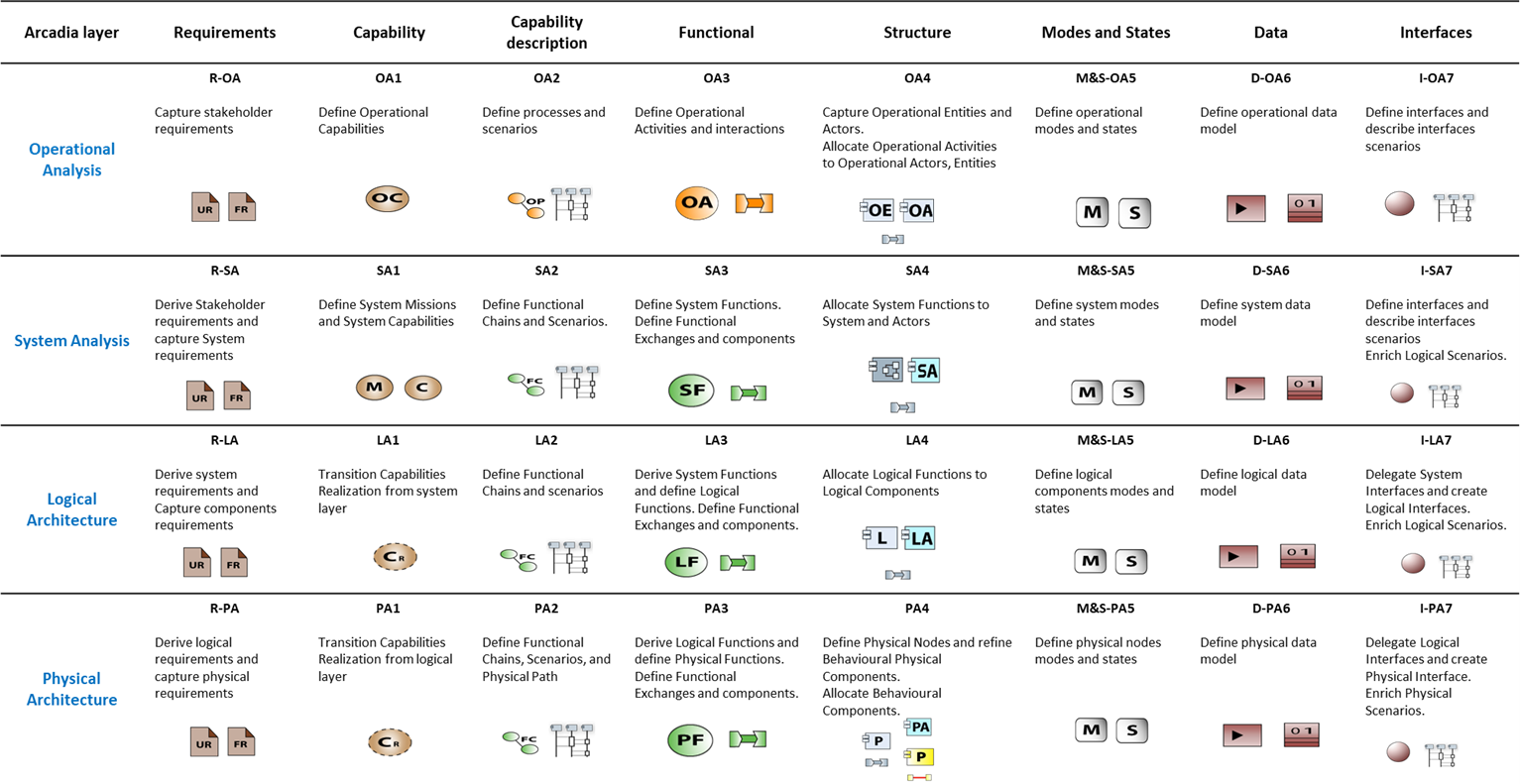
Definition of the Problem - Customer Operational Need Analysis
Formalization of system requirements - System Need Analysis
Development of System Architectural Design - Logical Architecture (Notional Solution)
Development of System Architecture - Physical Architecture
Formalize Components Requirements - Contracts for Development and IVVQ
Co-Engineering, Sub-Contracting and Multi-Level Engineering
Adaptation of Arcadia to Dedicated Domains, Contexts, Etc.
Equivalences and Differences between SysML and Arcadia/Capella
FiberShop is a professional grooming and hair card creation tool used by digital artists, and attempting to use a "crack" or pirated version of the software often leads to unexpected consequences in the world of 3D design.
To minimize the risk of the Fibershop crack and ensure optimal performance of fiber optic products, users can follow these best practices: fibershop crack
In the realm of computer software and technology, the term "Fibershop Crack" has been making rounds, especially among users and professionals who deal with fiber optic communications and network management. This article aims to provide an in-depth look at what Fibershop Crack is, its implications, and the broader context of software cracking within the tech industry. FiberShop is a professional grooming and hair card
The Fibershop crack highlights the significant risks associated with software piracy. The incident underscores the need for more effective licensing and protection mechanisms, as well as greater awareness among users about the risks associated with software piracy. By understanding the implications of software piracy and taking steps to prevent it, we can promote a safer and more secure software ecosystem. fibershop crack
The Fibershop crack phenomenon has far-reaching implications for the software development industry, cybersecurity, and the users themselves. Some of the key implications include: